
[OPINION] The Death of Dance Songs
Sep 24, 2025
Every generation has a multitude of songs that were created to revolve around a specific dance, think the “Macarena,” “Hokey Pokey” or “Cupid Shuffle.” But for some odd reason, there seem to be no dance-tailored songs in the 2020s. Gen Z also seems to dance much less than previous generations. While I’m not a fan of looking at entire groups of humans by way of generation — I find it needlessly divisive — this is a prevalent trend amongst this current age group. Is the lack of dance songs to blame for the lack of dancing? Or has the absence of dancing been the death of these songs? Quite the “chicken or the egg” conundrum.
I’d like to open with an internet tale from times of olde that I find appropriate to mention. In March of 2015, an anonymous post was made to 4chan with two pictures. In the first photo, we see a fat, bald man dancing and in the second, we see him standing motionless with his head hung in shame. The caption reads, “Spotted this specimen trying to dance the other week. He stopped when he saw us laughing.” The photos are heartbreaking, to say the least, and most people felt the same because the post quickly went viral in defense of #DancingMan.
In a month’s time, the man had been identified as 47-year-old Sean O’Brien from Liverpool and he now had the online support of Pharrell Williams and Ellie Goulding. A GoFundMe was started for him that raised over $40,000 USD and was given to anti-bullying charities as well as spent on throwing a huge dance party for Sean. The party was DJed by Moby, Sean danced with Meghan Trainor, and Monica Lewinsky was there for some reason. He went on talk shows, raised a ton of money for charities and threw the first pitch at a Dodgers game.
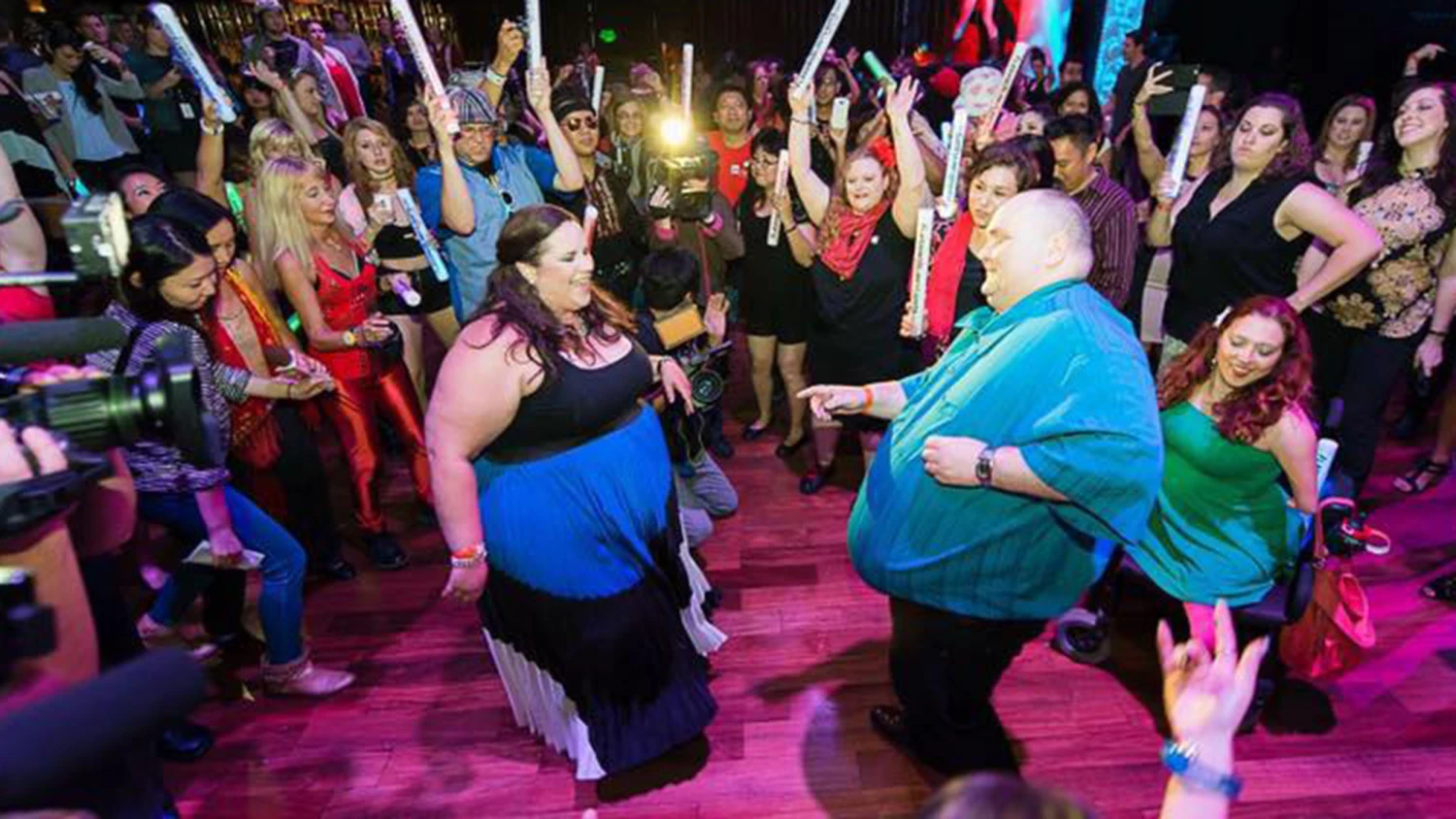
Sean O’Brien, although his story has a happy ending, was an unfortunate prophecy for things to come. The internet and its creation of “cringe culture” in general has been suffocating to the human experience. Many young people live in constant fear of being seen as cringe or a “try-hard,” so they’ll no longer do things publicly that may bring them joy. I first heard the term “try-hard” in fifth grade as a response to someone who was trying “too” hard when playing soccer at recess. My teacher asked, “Why is that an insult? Why is it bad to try hard?” COVID lockdowns were also, in general, detrimental to the social lives and habits of Gen Z, but I think this aversion to “trying” or crippling fear of embarrassment existed in their minds long before.
Think of how many dances came from or were made popular by dance songs in the 2000s and 2010s: “Crank That,” the Dougie, hitting the Quan, the Whip (and Nae Nae), jerking — you get it. These were cultural phenomena that were not only fun to learn and do, but they also brought people together. Back then, it was hard not to see a child who wasn’t practicing one of these moves in public. It felt cool to be “in on it.” Dancing has always been a communal experience that humans all around the globe love doing, and many are too scared to do it now.
Many of these songs were undoubtedly made by artists who could be considered one-hit wonders. Usually, one of these dance songs would explode on the internet, the dance would become a trend, and the artist that made it, unable to replicate their initial success, would become forgotten. You could make the argument that the instability of one of these post-dance-song careers is what deters artists from making them, but I don’t think that’s the case. I am of the opinion that the newer generations of musical talent feel the lack of dancing at clubs, concerts, parties, etc. and think it’s pointless to make one of these tracks. Dancing is unfortunately just not a central part of youth culture anymore.
Dancing obviously has some sort of life on TikTok. Short, usually simple, choreographed dances will gain traction on the app along to certain audios. Children and teens will then learn the dance and make their own video doing it. While this is probably fun, it isn’t exactly the same as dancing for enjoyment at a club. This is more oriented towards showing off what you can do without any of the spontaneity or imperfections. Gen Z isn’t afraid of dancing; they’re afraid of the vulnerability that comes with it.
I know many people are still dancing; I know people who will go out solely because they want to dance. However, if you go to any sort of party, these people are few and far between. Funnily enough, many people will still dance if one of these old songs come on, so maybe new artists hold the same fear of looking corny themselves. How many years do we need to lose before realizing that living is more important than maintaining an image? I’m sure many artists will see this and comment something along the lines of “I’ll make the new dance song.” Usually, comments like this get ignored, but I’d love to listen if anyone comes up with something. It’s okay to be afraid, but you do yourself a disservice by changing who you are to fit in.