
Beastie Boys: The Most Versatile Rap Group Ever
Jul 5, 2025
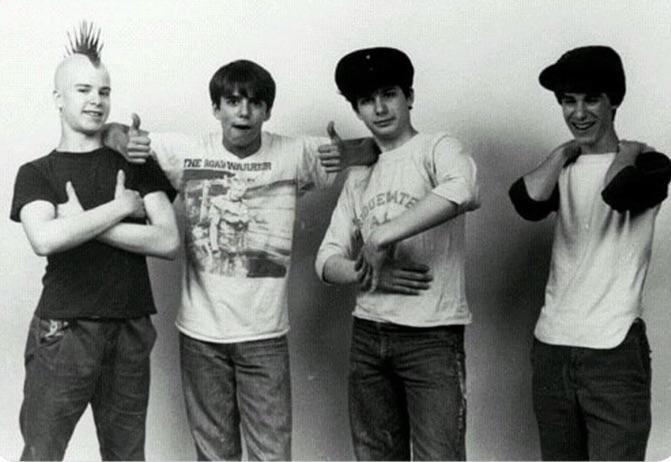
1979: a 14-year-old Michael Diamond (Mike D) founded a hardcore band called The Young Aborigines. In 1981, Adam Yauch (known as MCA) replaced the band’s bassist and the band was now named the Beastie Boys. The band was relatively known in the NYC scene and the group would play at CBGB alongside punk legends such as Bad Brains and Reagan Youth.
A year later, another member of the original lineup was replaced by a friend, Adam Horovitz (Ad-Rock). In 1983, the band began to experiment with a relatively underground concept at the time known as “rap” on their song “Cooky Puss.” Even though the group would soon dive head-first into the rap genre, the punk spirit is what kept them innovating their whole career.
The success of Cooky Puss led to the band being discovered by Rick Rubin, an NYU student who would DJ and run his own label, Def Jam, out of his dorm room. Rubin approached the group and asked to produce for them under his new label. Kate Schellenbach, the band’s original drummer was fired leaving Mike D, MCA, and Ad-Rock. This is the lineup that would attain mainstream success and last until the group’s end.
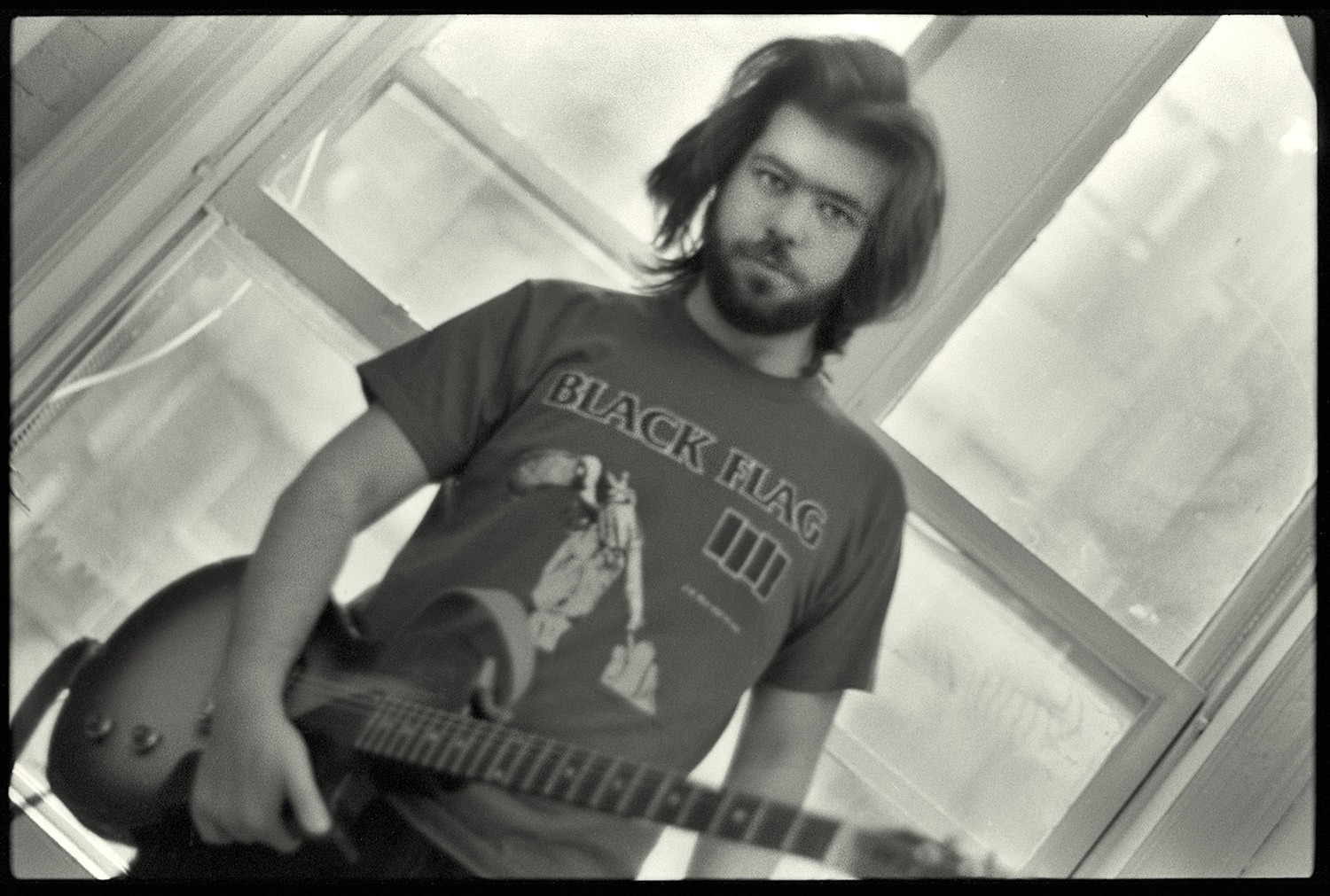
In 1984, the band would release their first Def Jam single, “Rock Hard,” which sampled AC-DC’s “Back in Black.” At the time, sampling was still a fairly new and uncommon phenomenon meaning the laws regarding it were basically nonexistent. In 1986, the Beastie Boys would record and release their first rap album “Licensed to Ill.” The album is what many would regard now as “frat-rap” and it became the first hip-hop album to reach number 1 on the Billboard 200 chart.
Although it took three white guys for mainstream society to finally start listening to rap music, this still led to hip-hop obtaining some much-deserved legitimacy in the eyes of the general public.
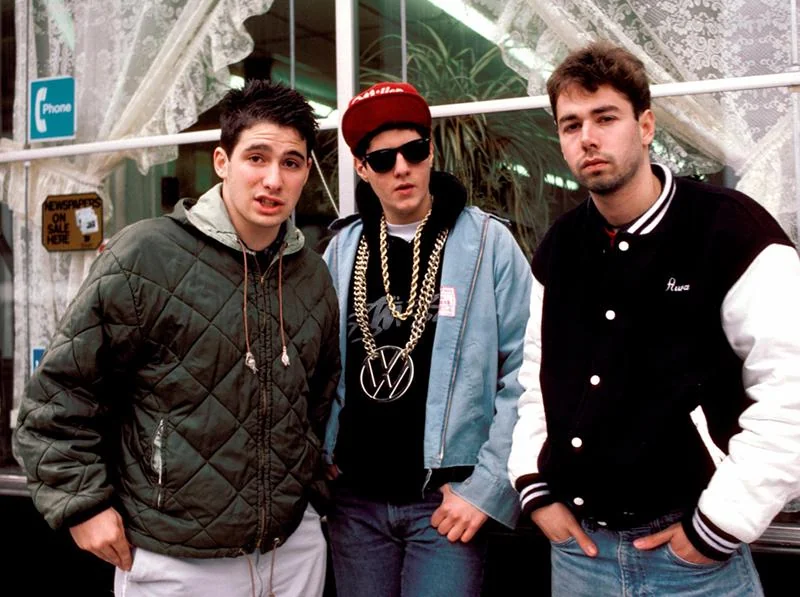
After a Licensed to Ill tour that was riddled with controversy, such as a Liverpool concert that turned into a riot after 10 minutes, the group would leave Def Jam after not being paid money they were owed from their work. Beastie Boys would sign to Capitol Records in 1988.
A year later, they would release their album “Paul’s Boutique.” This album was a creative step in a completely different direction from their last which led to it being a financial flop. However, Paul’s Boutique is a masterclass in sampling and elevated it into an art form. No longer were songs comprised of sped up loops but instead were made up of multiple different songs across genres, sound effects, movie dialogue and other obscure references.
Of course, virtually none of the samples were cleared and you could never make this now under a major record label. Many people now regard PB as one of the best albums ever made; the group was just too far ahead of the curve back then.
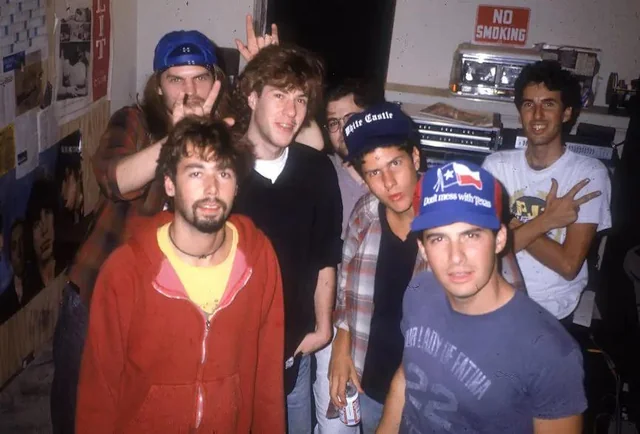
Because of the now strict sampling and copyright laws implemented by the U.S. government (probably in part due to Paul’s Boutique), the group would cut back heavily on sampling for their next album. Beastie Boys instead opted to rap on songs they would construct and play with their own instruments, a phenomenon that was practically unheard of at the time. The group was nowhere near as successful or wealthy as they were five years ago and the creative process of this album made them feel like they were a real band again. With this limited budget came a new sonic freedom where they would venture into combining their punk roots not only with rap but also with funk and jazz.
"Check Your Head" released in 1992 under their own label, Grand Royal. The album went certified double platinum and reached number 10 on the Billboard 200.
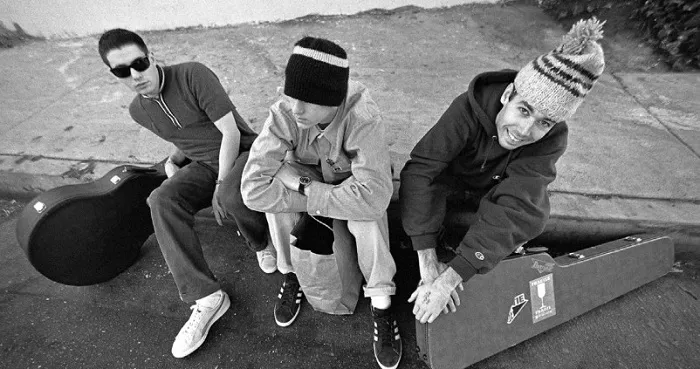
Their next album, "Ill Communication" took what was done in "Check Your Head" and refined it to be more accessible for mainstream audiences. This experimentation and hard work definitely paid off as the album debuted number 1 on the Billboard 200 and the Beastie Boys were now back on top of the world.
This is when they released their hit song "Sabotage" and its infamous music video directed by Spike Jonze. In 1994, they would headline Lollapalooza and a year later, their show in Madison Square Garden would sell out in just 30 minutes.
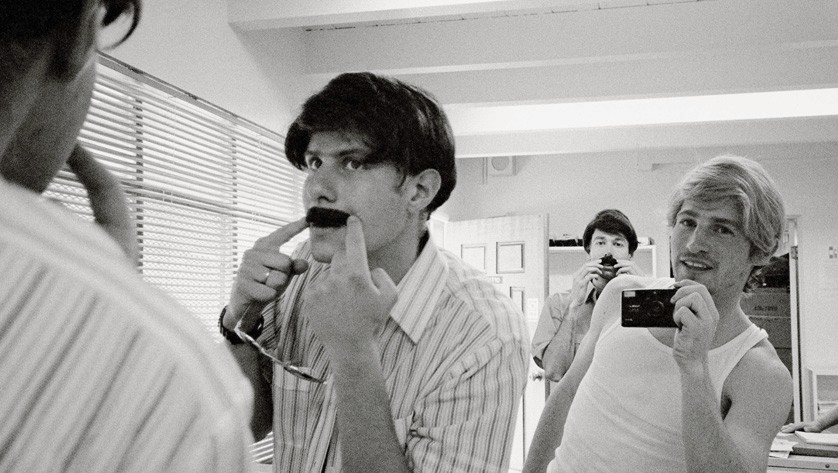
The band would continue experimenting and being praised for it with their next album, "Hello Nasty." Over the next decade or so, Beastie Boys would continue going on huge tours and releasing music.
Unfortunately, band member and friend Adam “MCA” Yauch would die of cancer on May 4, 2012. Mike D and Ad-Rock later announced that Beastie Boys would disband because of the death of MCA. The friends had an agreement throughout their career that all three members had to agree on/approve an idea or song before its release. Without Yauch, there could be no more music.
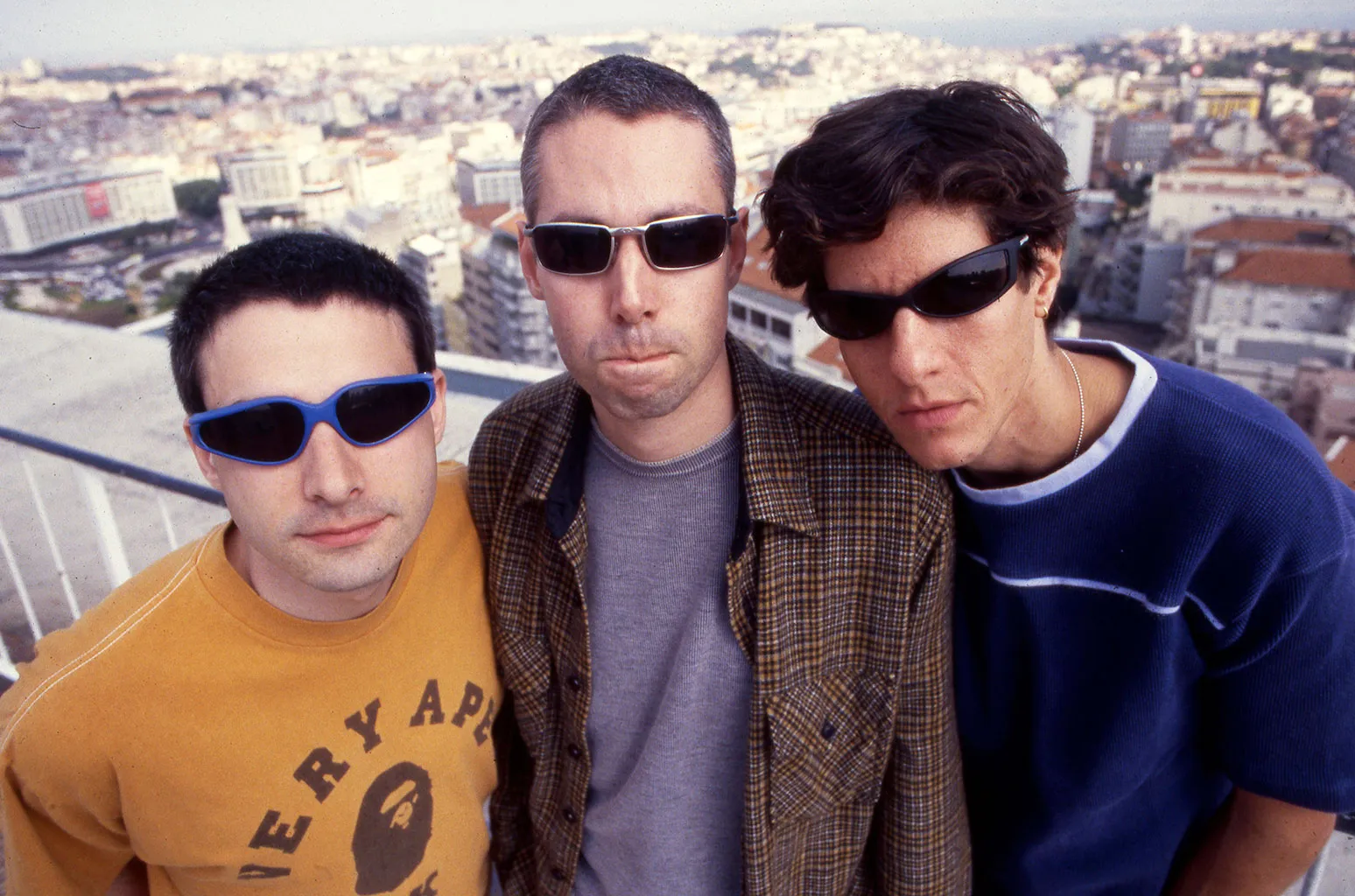
Beastie Boys’ influence is still felt to this day. Not only did their sounds influence many music icons such as Tyler the Creator and Rage Against the Machine, but the band gave way to completely new sounds that combined a multitude of genres. Not only this, but they are largely responsible for combining punk and skate culture with rap culture and streetwear. Take a look back and it’s evident that they were ahead of the game when it came to fashion.
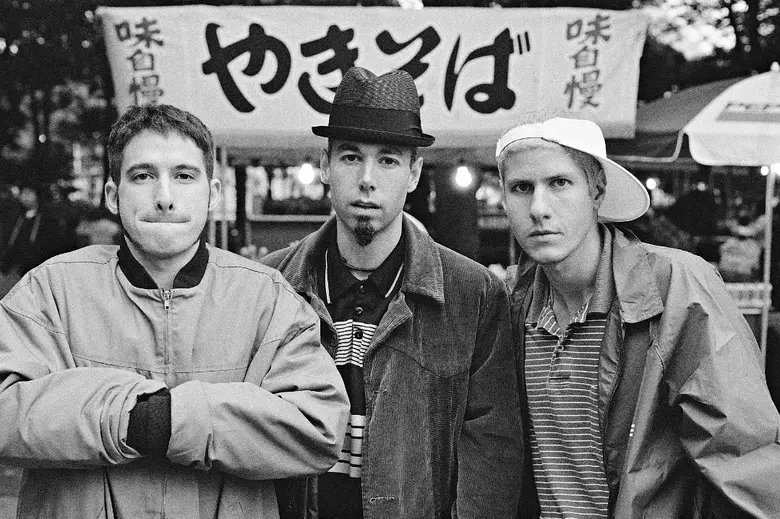
Aside from their musical and fashion influence, looking at the Beastie Boys’ long and crazy career can teach another valuable lesson. Innovating and carrying yourself with an unquestionable authenticity pays off. They made fools of themselves in their music and on stage and tried things that listeners and artists alike didn’t know to be possible. They never remained stagnant in any aspect of their lives: they constantly changed their sound and the way their music was distributed; they spoke out against societal injustice in a genuine, non-performative way; and they continued to create in new ways even if it didn’t pay off immediately. They were undoubtedly themselves.