Jarod John Leonard: A Dream, Under Construction (Interview)
By Valentino, Photos by Pablo J. Hernandez, and Floodgate
Feb 28, 2026
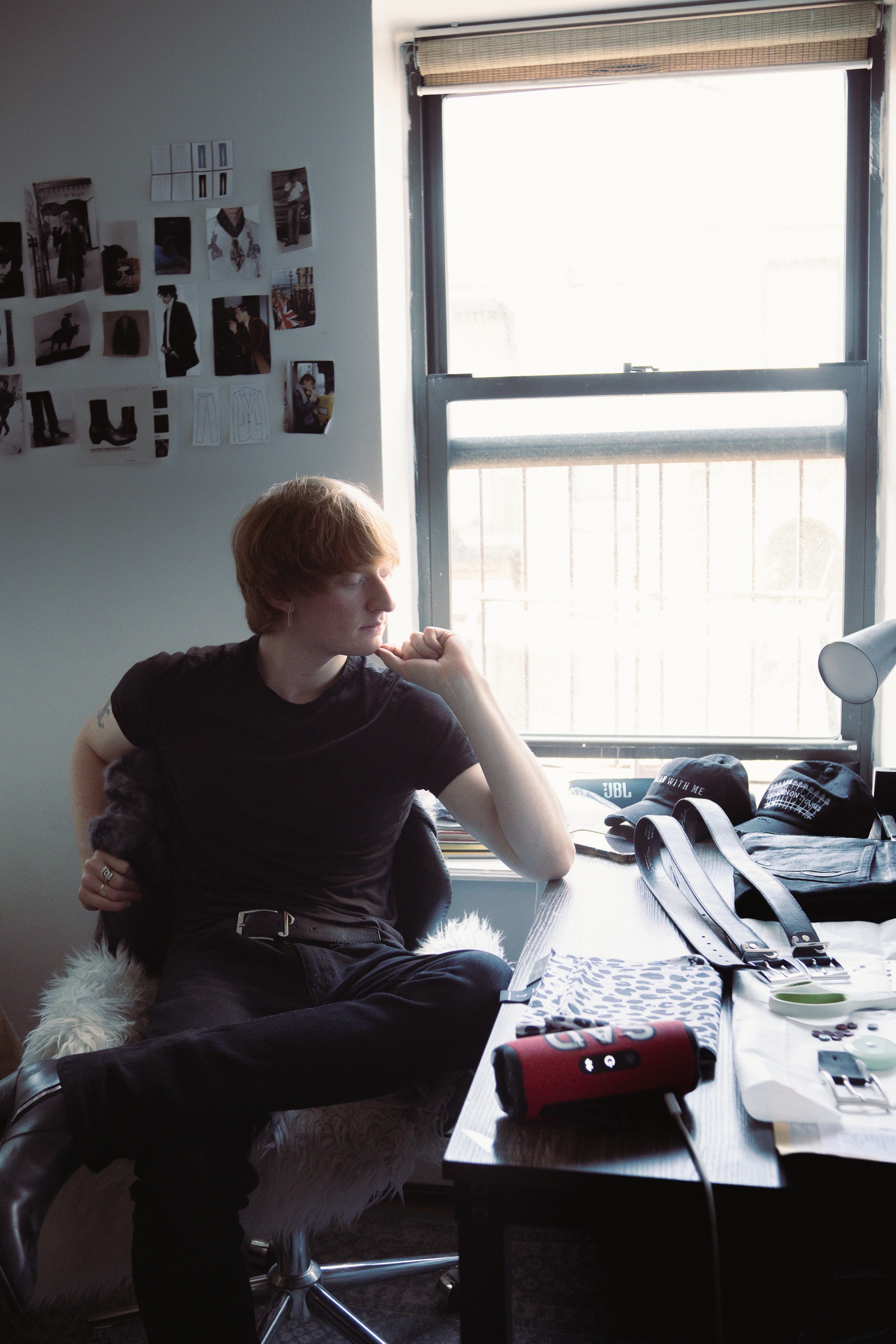
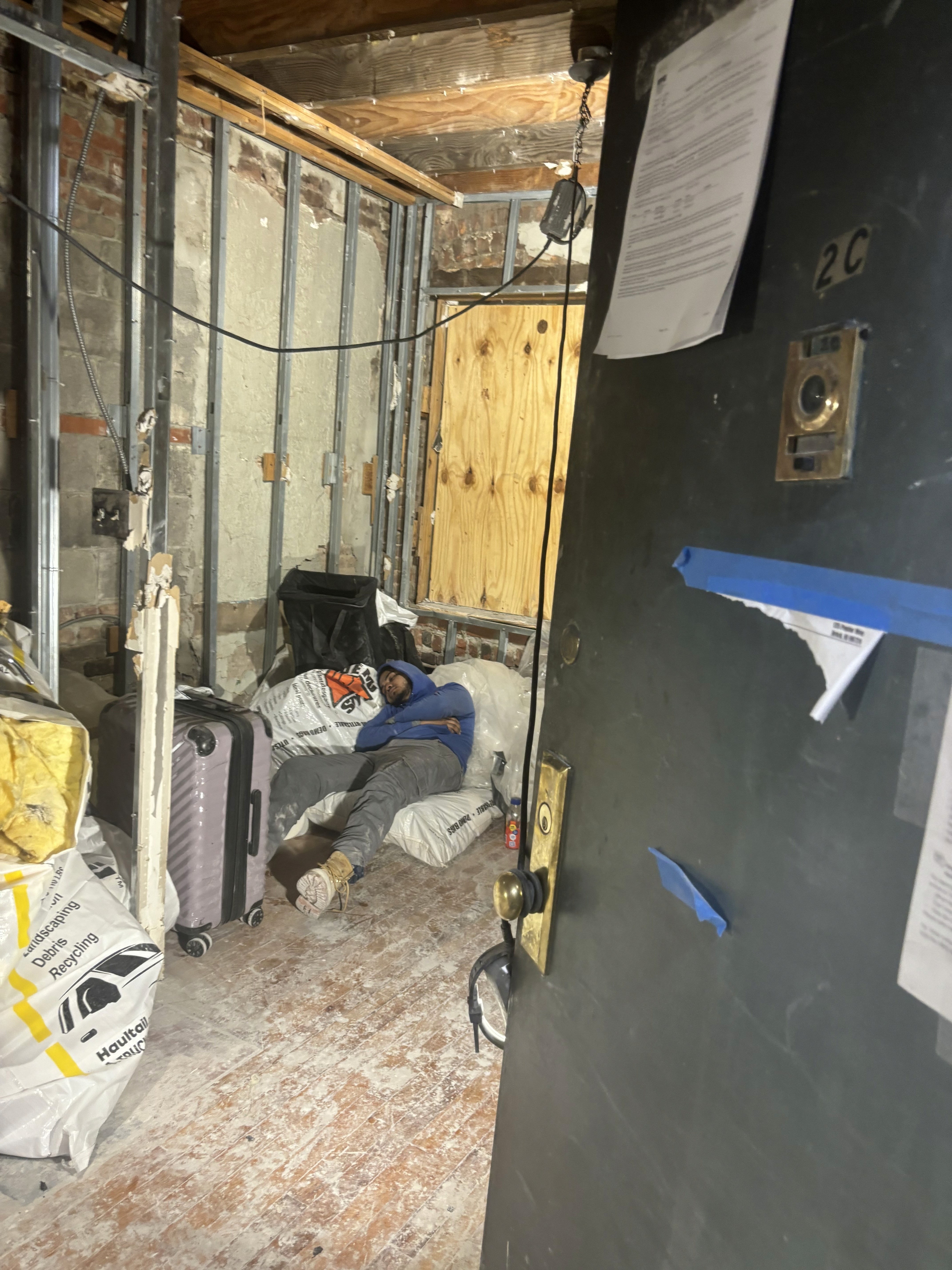
Just a few months ago, a fire tore through the lower floors of a Lower East Side, Manhattan apartment building. Now the stairwell is a construction site surrounded by unpainted drywall, exposed wiring, and workers hauling slabs of concrete and wood. To reach Jarod John Leonard’s co-founder, Clark Reeve’s apartment, you climb five flights through what feels less like a residential apartment building and more like a labor complex. Inside is a shoebox studio apartment with inventory stacked around, and vision boards covering the walls like posters in a college dorm room. While still pricey like most other New York City apartments, it was humble. At this point, it was clear to me that Clark doesn’t come from money. This brand was founded solely on utter talent and a dream.
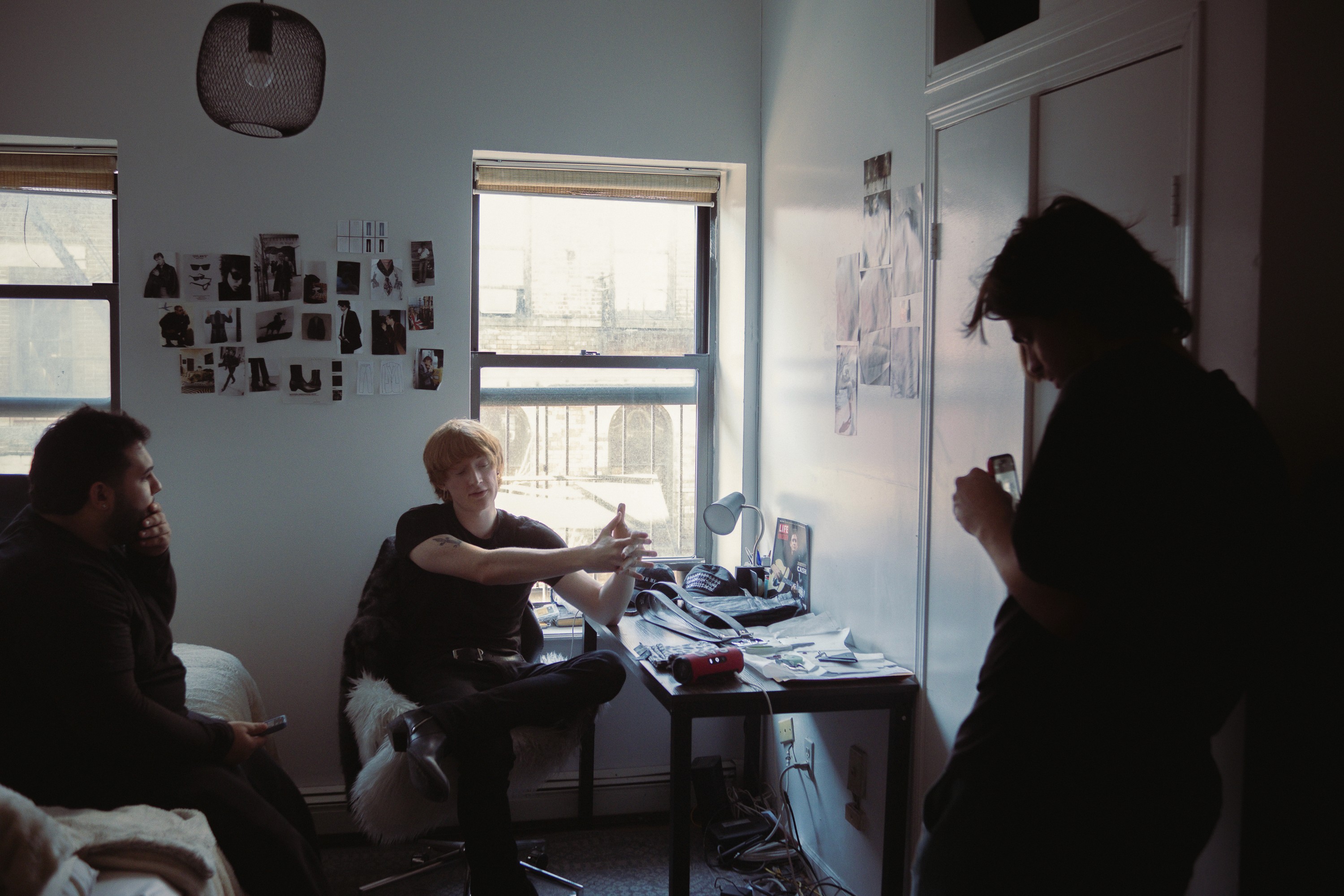
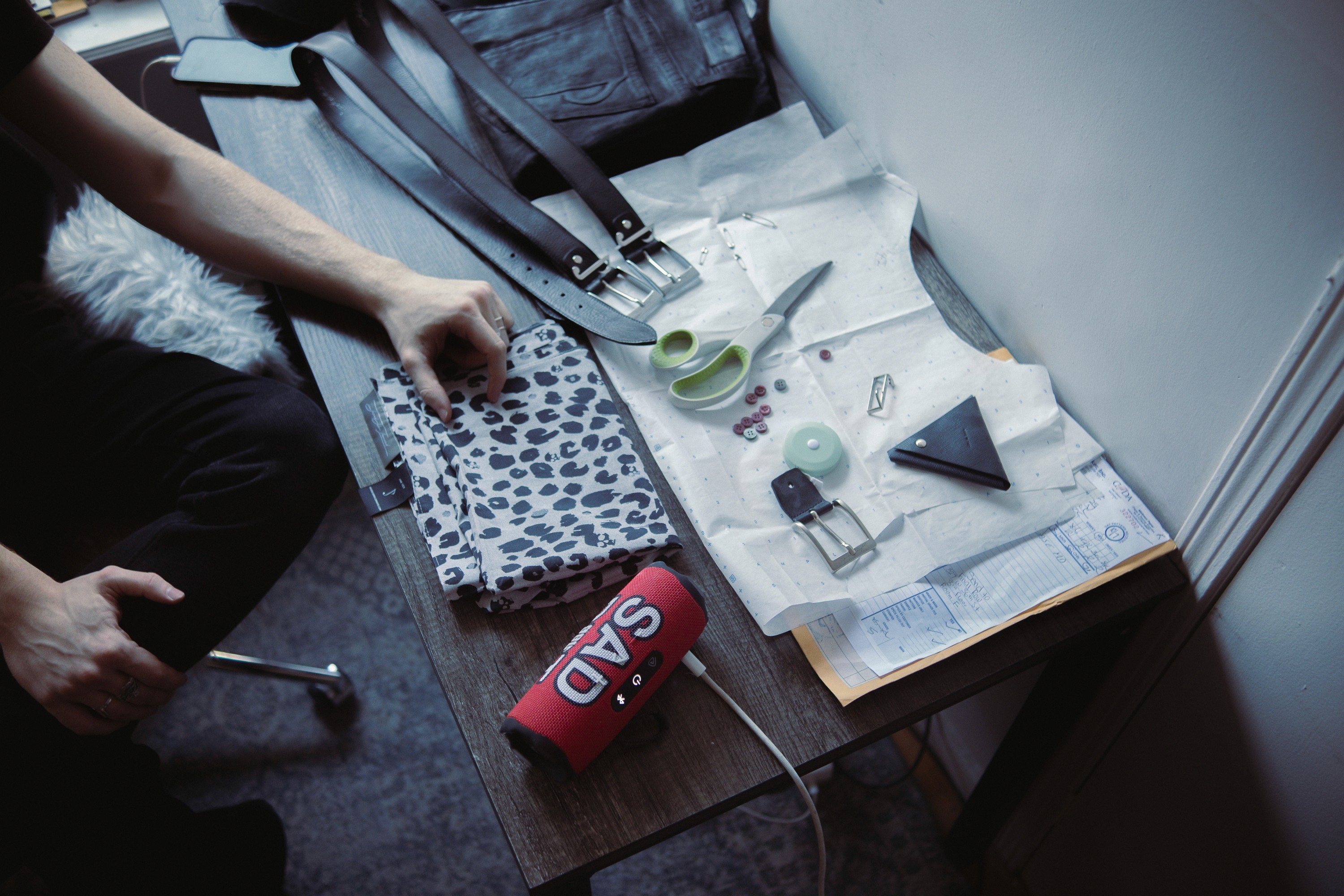
It's 1 P.M. on Friday the 13th during New York Fashion Week, and in a few hours Jarod John Leonard will host its very first party in collaboration with Post Party – the nightlife collective founded by Wolf and Lux Gillespie, sons of Primal Scream’s Bobby Gillespie. Clark is wearing a plain black t-shirt, the brand’s Bruce Denim from their ‘1974’ collection, and the JJL Western Embroidered Boots. Jarod – the brand’s namesake – isn’t physically present. He’s in Italy speaking to manufacturers. He joins the conversation on Discord, audio projected from a Sadprt-branded JBL Flip 7 speaker. Most of their conversations take place on Discord. Surprisingly, the two have never formally met in person. Instead, they met in an Xbox lobby. And today, they’re trying to build a rock and roll luxury house from scratch — without investors, without institutional backing, and without leaving the apartment that still shares a hallway with exposed drywall and construction dust.
“We design visually first,” Clark says. “We compile references — silhouettes, interiors, artists. Bruce Springsteen. David Bowie. Then we ask: how does this become a garment?”
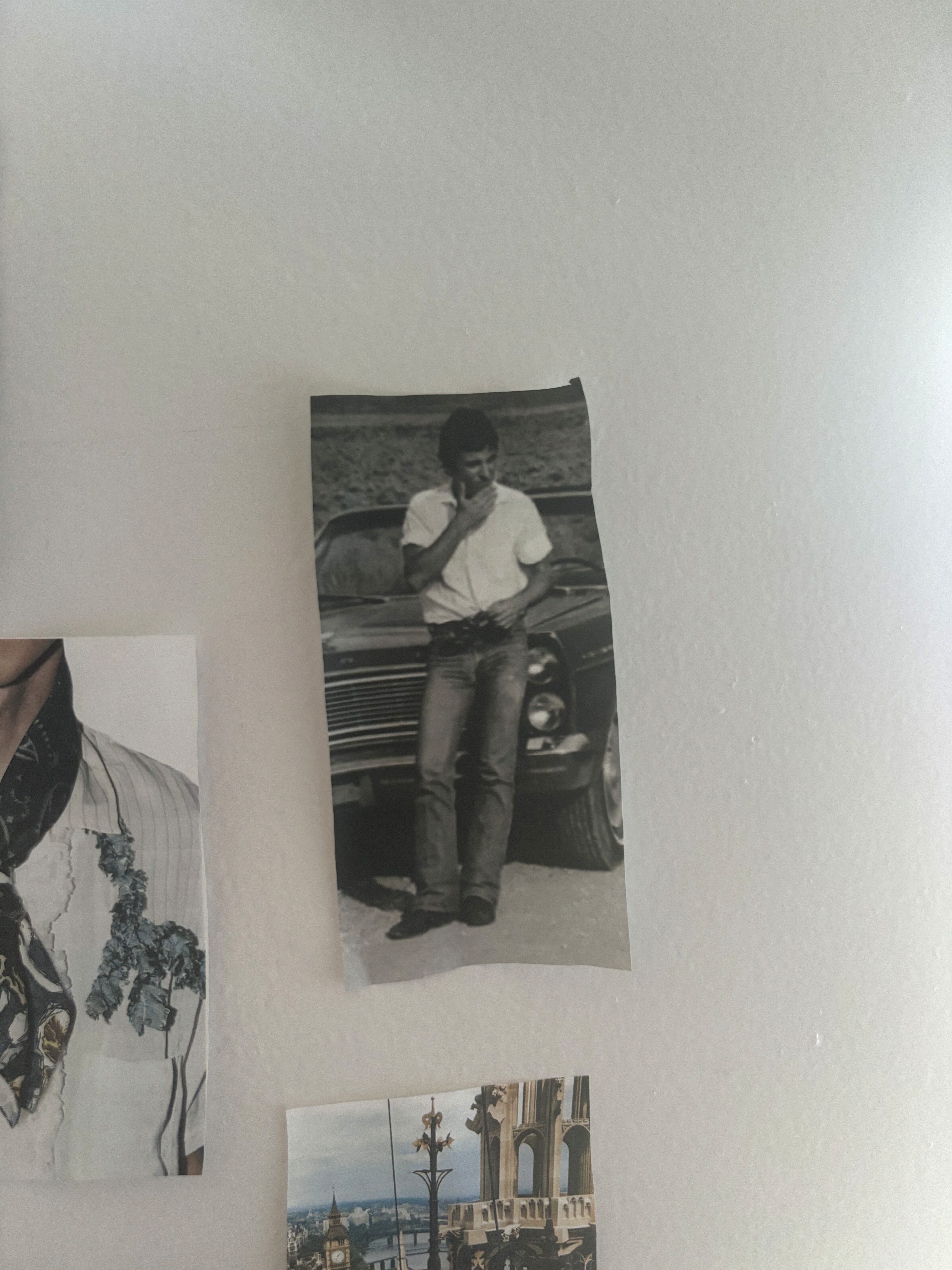
One Springsteen image plastered on the wall directly birthed the brand’s first denim silhouette.
“We have this photo that I found of Bruce Springsteen that I thought was incredible.” Clark continues. “I just loved the silhouette he had on the jeans… we had to recreate this in the form of JJL jeans.”
Jarod explains their methods simply: “We rarely disagree creatively,” he says. “If we do, it’s on something small. Never the core idea.”
That alignment might be why the brand feels so coherent so early. They share a goal and can effectively work with one another to refine it.
Unlike most in this industry, their story doesn’t begin in fashion school. They met in a game chat playing Gears of War as kids. Eventually, they built a Discord server dedicated to documenting Japanese and European designers — obsessing over brands like Number (N)ine, and Undercover, dissecting fabric mills, and analyzing runways.
Then came the question: Why not us?
“We felt like rock and roll luxury was missing something in the 2020s,” Jarod says. “There were brands that did it before. But not now in the way we imagined it.”
What separates them from nostalgia brands is intent. They don’t want to cosplay the ‘70s. They want to carry its spirit forward.
Neither Jarod nor Clark has formal training. Instead, they reverse-engineered luxury.
“I bought archive pieces, and I studied seams,” Jarod says. “I Googled fabric mills listed on old labels and emailed them asking for swatches. They would arrive in the post a week later, and I would spend time touching them to fully understand what I was looking for.”
All while Jarod was saying this, Clark was peering down at a scarf on his desk, running his finger along the tag and the seam.
Now, according to Jarod, JJL sources fabrics from mills associated with names like Brunello Cucinelli and Ermenegildo Zegna, and works with leather tanneries connected to Hermès.
“We’re in the one percent of fashion,” Jarod says. “Upper luxury. That’s where we want to live.”
To give an idea of where the brand stands in terms of pricing and exclusivity, I've gathered the retail listings of their most recent ‘1974’ collection and pasted them below. The list is as follows:
JJL Western Embroidered Boot - $900
Music Note Motif Belt - $390
1974 Turtleneck - $490
Bruce Denim - $550
Skull Leopard Scarf - $210
Bowie Tee - $310
Nixon Tee - $310
Pleated Wool Flannel Trouser - $750
Red Suede Trucker Jacket - $3,000
Handmade Super 110s Suit (Made to order) - $5,000
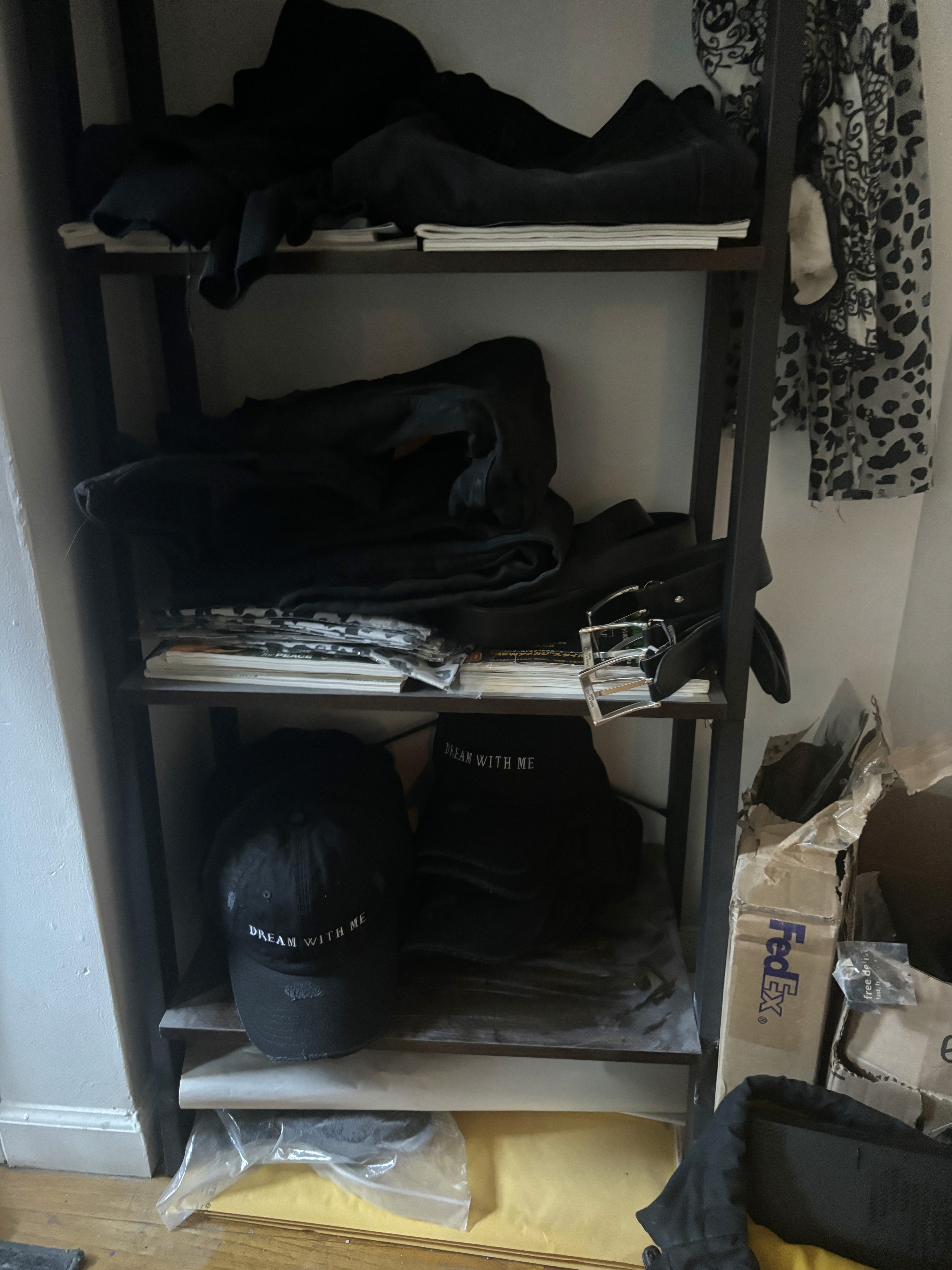
Dream With Me Hat - $250
“It’s true what they say,” Clark admits. “They tell you that you need a hundred thousand dollars to start a luxury brand. We had nowhere near that.”
So, they negotiated, reduced minimum order quantities, produced in small runs, and used revenue from initial orders to fund manufacturing. They had their backs against the wall.
When asked what differentiates them from other rock-inspired brands, Jarod doesn’t hesitate.
“Many rock brands are tacky,” he says bluntly. “They lean too heavily into the past. We love nostalgia — but we don’t want to feel stuck in it.”
Clark adds that their approach is more refined and less hedonistic.
Where brands like Saint Laurent under Hedi Slimane embraced razor-thin silhouettes and overt decadence, JJL aims for something quieter — dreamlike, even.
They use the word dream often.
“It’s our dream to build this,” Clark says. “But we also want the customer to dream. To feel like they’re stepping into something elevated.”
In just the past couple of days, JJL received its first official feature from a big-name fashion publication. That publication was Vogue.
It was none other than the rising UK phenomenon, Fakemink, who was sporting the Music Note Motif Belt on the cover page. The same belt he was seen wearing on stage when performing with Drake. Fakemink was one of the first artists to reach out to JJL.
“He just DM’d us: ‘Never stop what you’re doing,’” Clark recalls.
Fakemink has built his image by opting for an elevated, tailored look rather than logo-heavy streetwear. Jarod and Clark sent him boots, a belt, and eventually the entire ‘1974’ collection.
“He fits into the universe very naturally,” Clark says. “We’re not forcing it.”
The relationship bridged music and menswear — exactly where JJL wants to exist.
They’ve also seen organic reach internationally — including Korean K-pop star Anton of the band RIIZE, who was spotted wearing the Dream With Me Hat along with the Bruce Denim in paparazzi photos, discovered only after Clark casually Googled the brand name one night.
If ‘1974’ was urban grit and transatlantic rock energy, their next collection, ‘English Gardens’, turns toward the countryside.
Jarod lives in Oxfordshire, England. A haven of white horses, lakes, and manor houses filled with patterned textiles.
“I want to represent where I’m from,” he says. “But not in a costume way.”
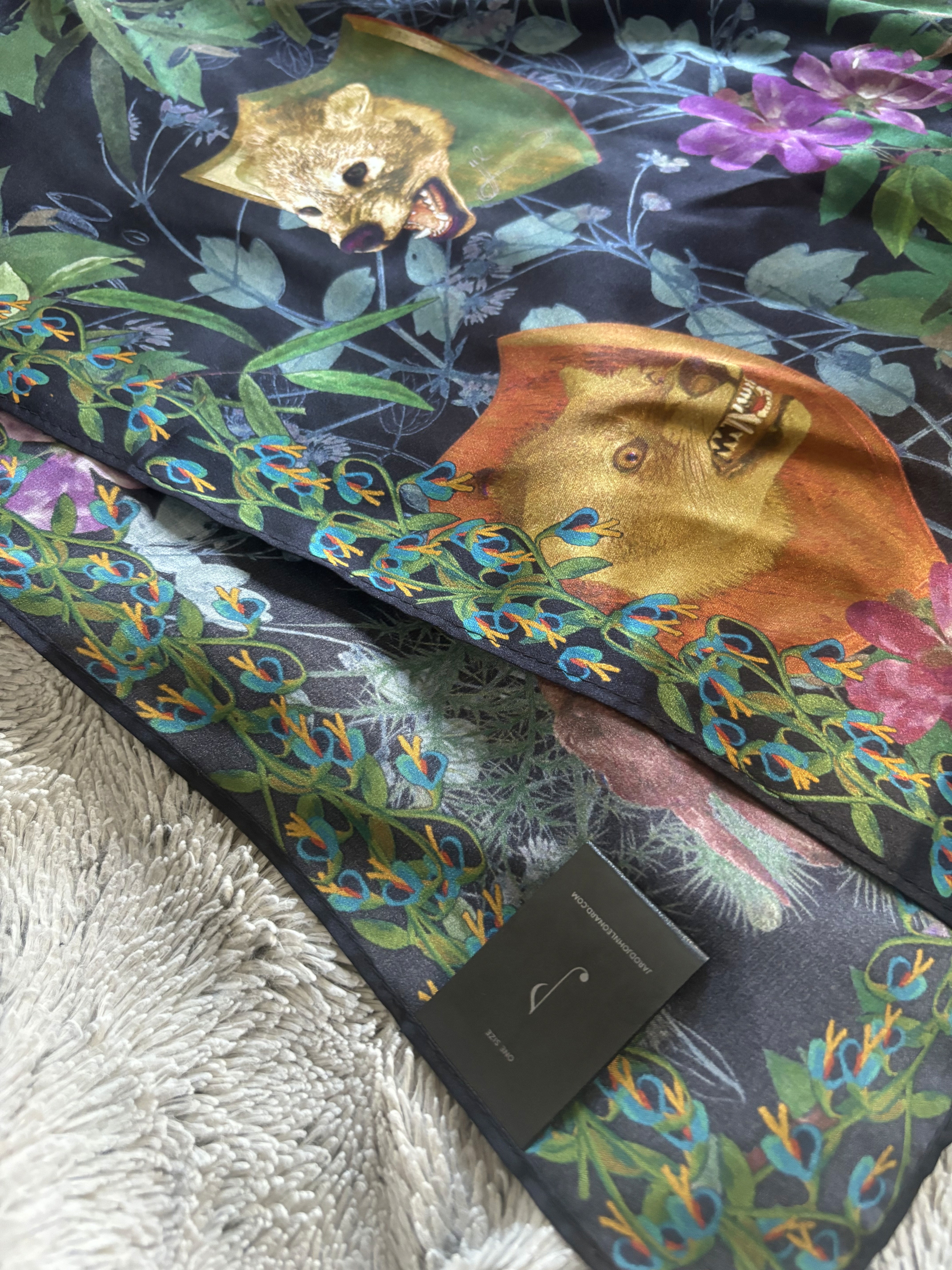
The collection will introduce silk shirts with bold prints; darker romantic tones layered with pastoral influence. A 100% silk scarf designed in collaboration with Henry Tori of Full Metal Gallery blends floral metallic accents with fluid drape — a noticeable upgrade from their previous 70% silk, 30% cotton blend.
“I really love the fluidity that the silk provided with the graphic,” Clark says. “It has this shimmer that really brings out the golden tones and the metallic colors of it that just drapes beautifully.”
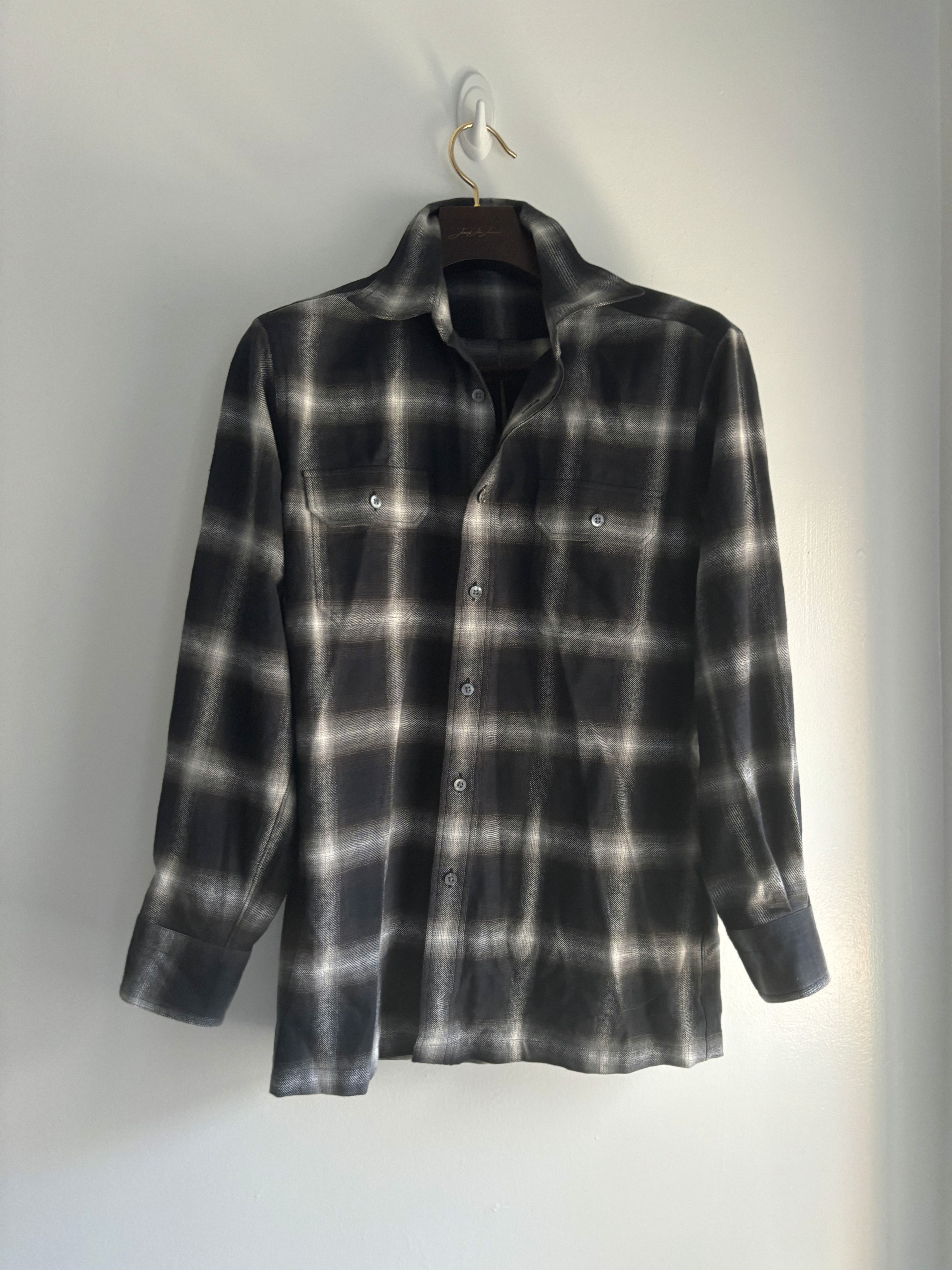
There’s also a Japanese-made flannel prototype with custom mother-of-pearl buttons engraved with the JJL musical note logo. We are told they’re considering leather patches to finish it.
Unlike their first drop, which felt somewhat urgent due to massive demand without the means to produce, ‘English Gardens’ is a product of patience.
“I think our first collection was very back against the wall. We had to put out what we put out, and I was very happy with it… But now that JJL is established, we have the opportunity to show people what we can do.”
Jarod John Leonard is not trying to be the loudest brand in the room. They’re trying to build an elevated dreamlike experience manifested into clothes that will stand the test of time.
And for now, the dream is still under construction.